Indonesia Participates in the 8th Review Meeting of the Joint Convention in Vienna, Austria
Kembali 21 Maret 2025 | Berita BAPETEN | 782 lihat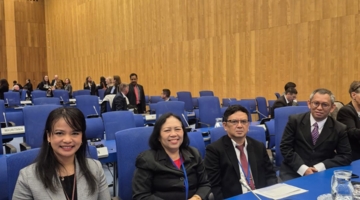
Indonesia once again demonstrated its commitment to improving the safety aspects of radioactive waste and spent nuclear fuel management by participating in the 8th Review Meeting (RM) of the Joint Convention on the Safety of Spent Fuel Management and on the Safety of Radioactive Waste Management. The meeting was held at the Vienna International Center (VIC), headquarters of the International Atomic Energy Agency (IAEA), in Vienna, from March 17-28, 2025, and was attended by approximately 900 delegates from 76 States Parties.
Indonesia ratified the Joint Convention in 2010 through Presidential Regulation No. 84 of 2010. As part of this obligation, Indonesia submitted a National Report (NR) outlining policies, strategies, and implementation for the management of radioactive waste and spent nuclear fuel.
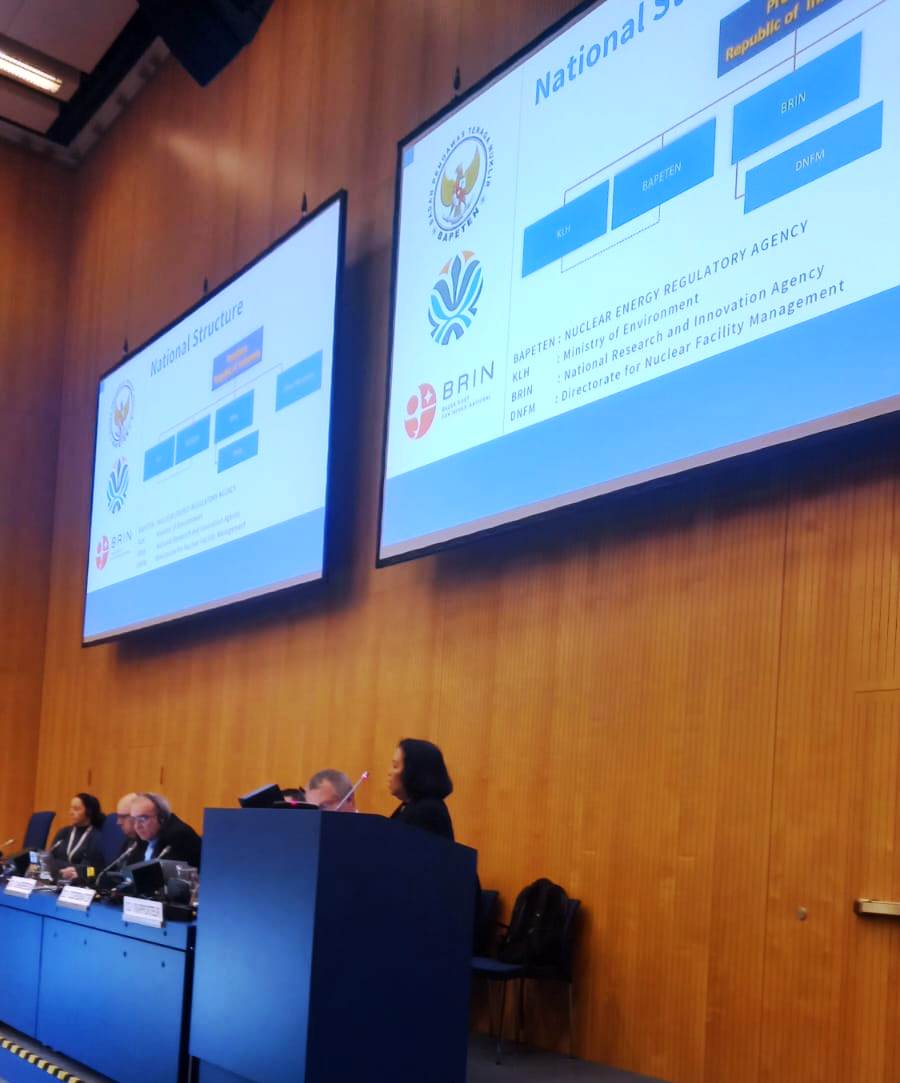
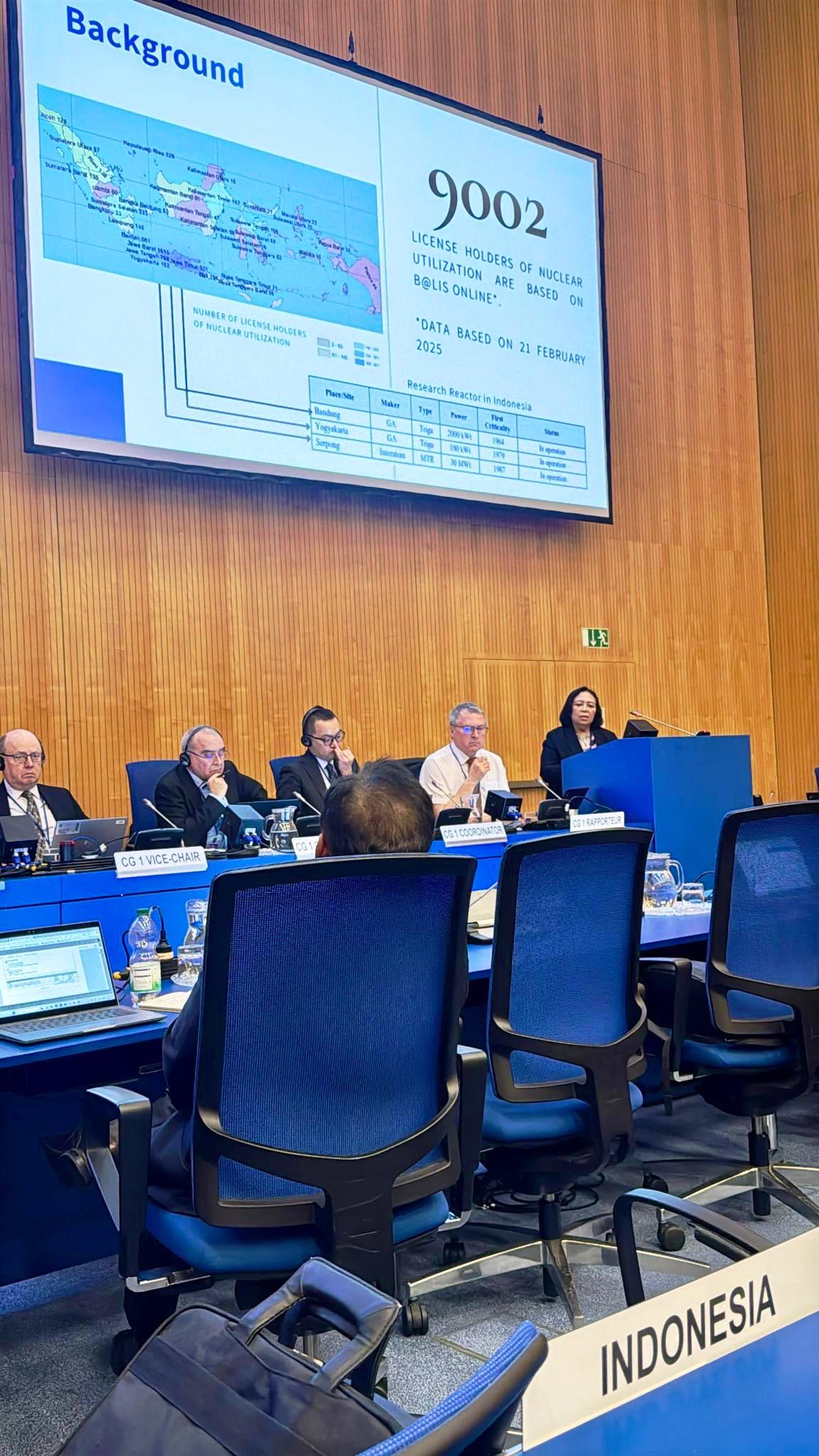
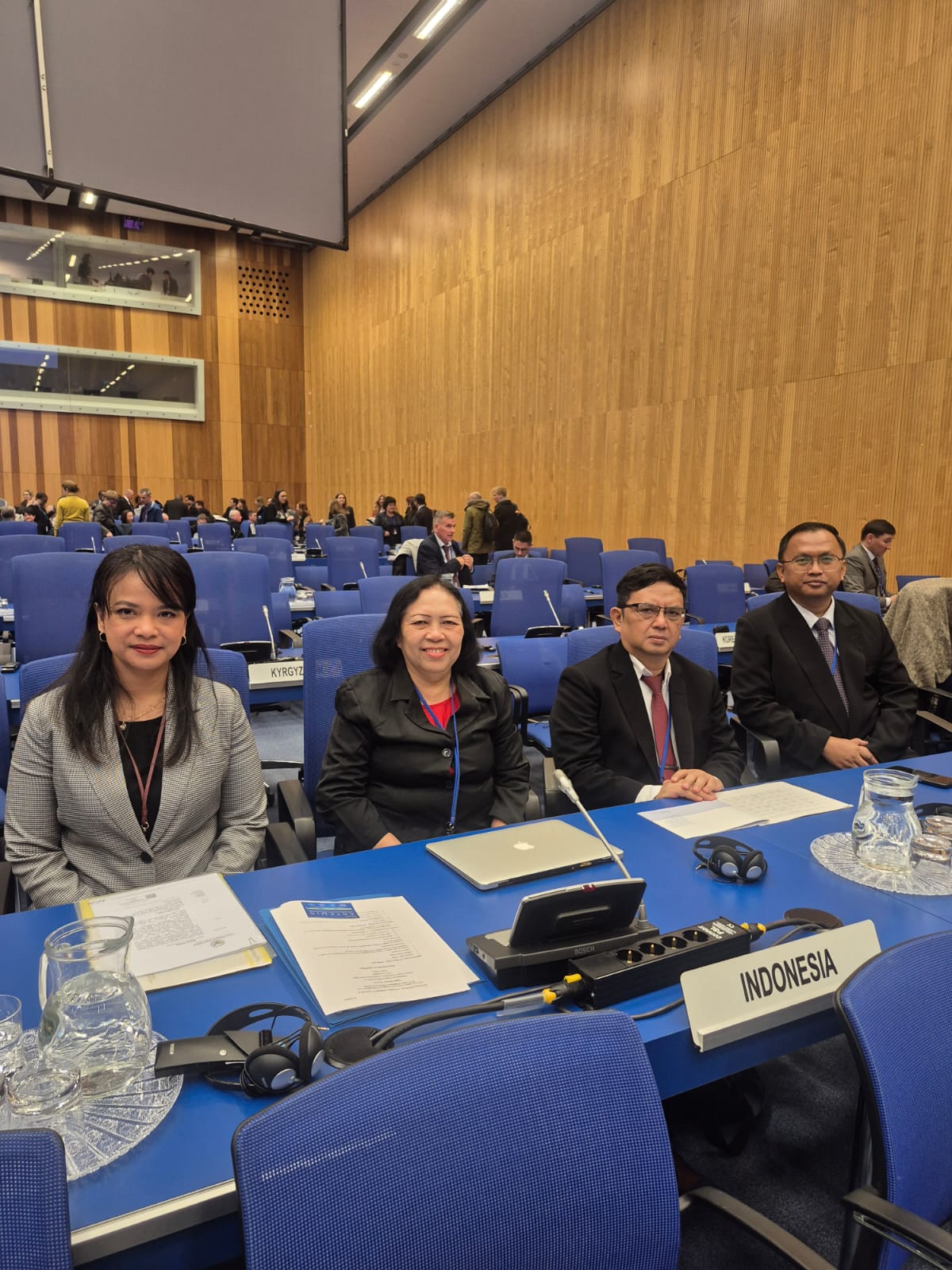
The Indonesian delegation at the 8th RM consisted of representatives from the Indonesian Embassy in Austria and Slovakia and the Nuclear Energy Regulatory Agency (BAPETEN). The BAPETEN delegation was represented by Radiation Supervisors Dahlia C. Sinaga and Pandu Dewanto. Meanwhile, Indonesia also played an active role as a member of the meeting's organizing committee, with Director of Nuclear Engineering and Preparedness (DK2N), Yudi Pramono, serving as Coordinator of Country Group 3, and BAPETEN's Non-Reactor Nuclear Installation Assessment Function Group Manager, Petit Wiringgalih, serving as Vice Chairman of Country Group 5.
In opening the meeting, IAEA Director General Rafael Mariano Grossi delivered remarks emphasizing various important aspects of radioactive waste and spent nuclear fuel management. These included the evaluation of the implementation of the Joint Convention by member states; key trends in the storage and disposal of radioactive waste and spent fuel; human resource management and harmonization of best practices between countries; and finally, the challenges of transparency and public involvement in nuclear waste management.
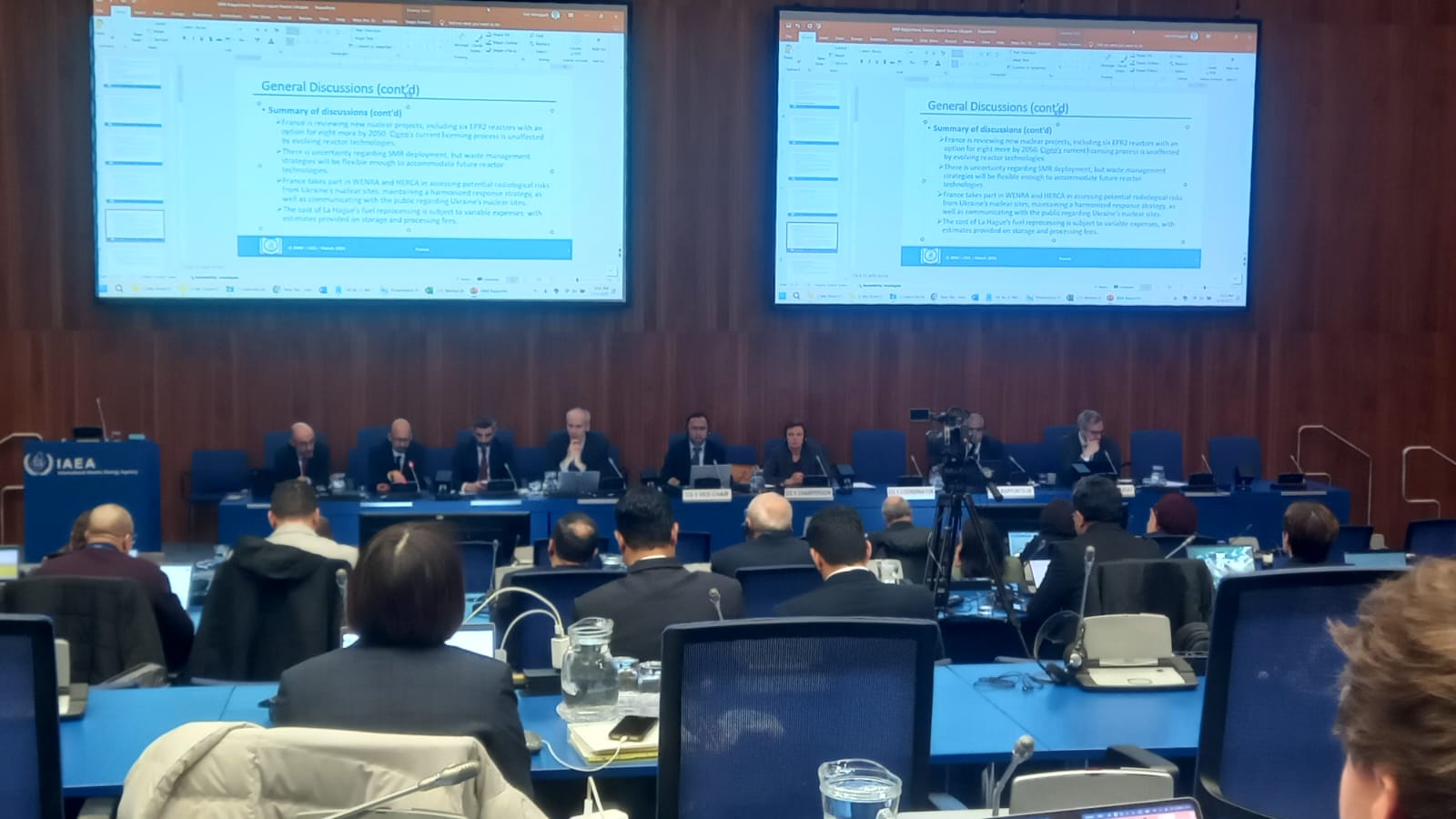
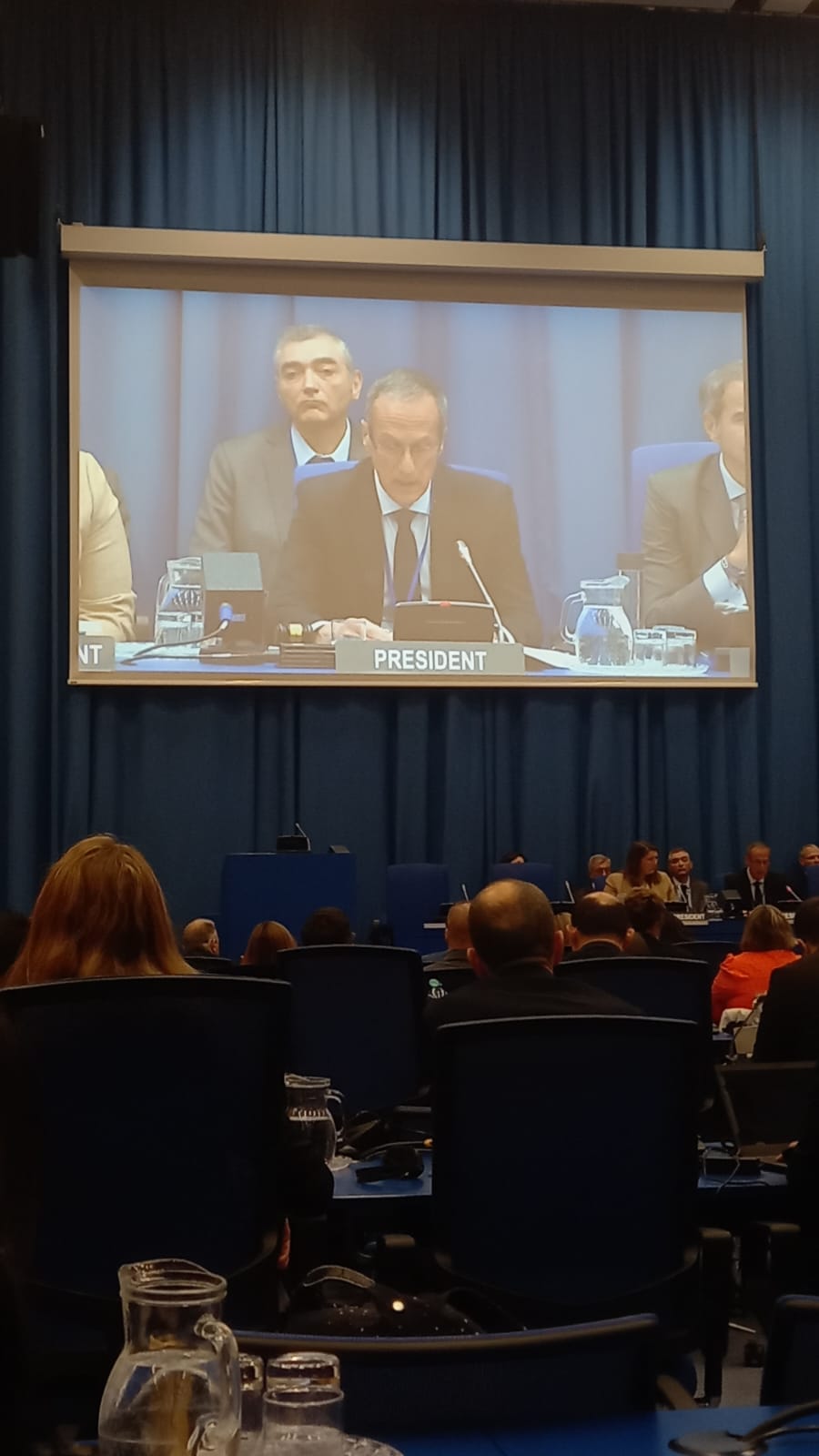
The meeting's president, represented by Vice President Jean-Luc of France, delivered remarks, providing information on the purpose of the review meeting, the observer countries of India, Egypt, and Pakistan, and a special statement from Ukraine.
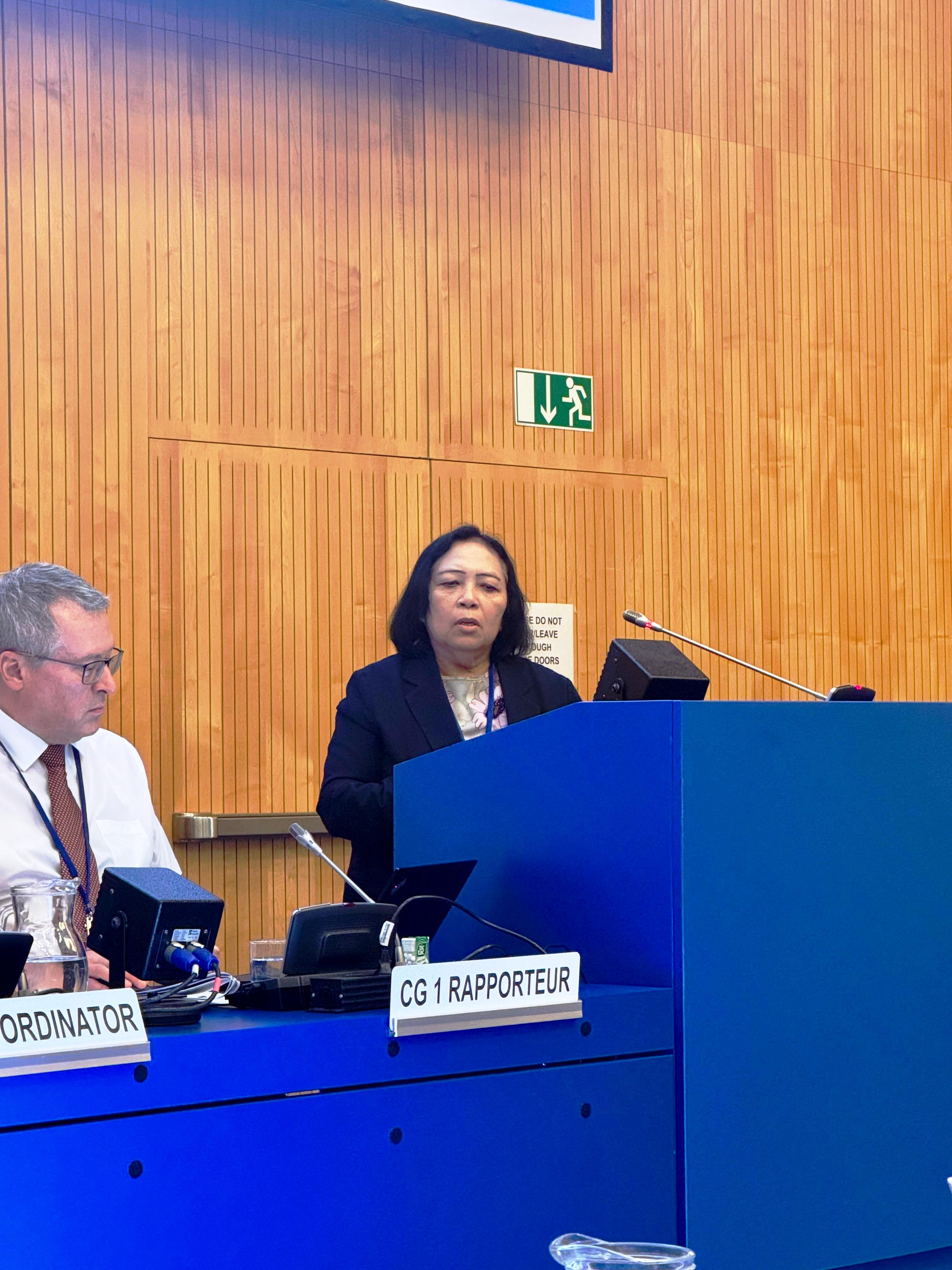
On the second day of the meeting, Indonesia presented its National Report. Indonesia is in Country Group 1 along with Australia, the Netherlands, Belgium, Congo, Bulgaria, Poland, Vietnam, Switzerland, Ireland, Mauritius, and Saudi Arabia.
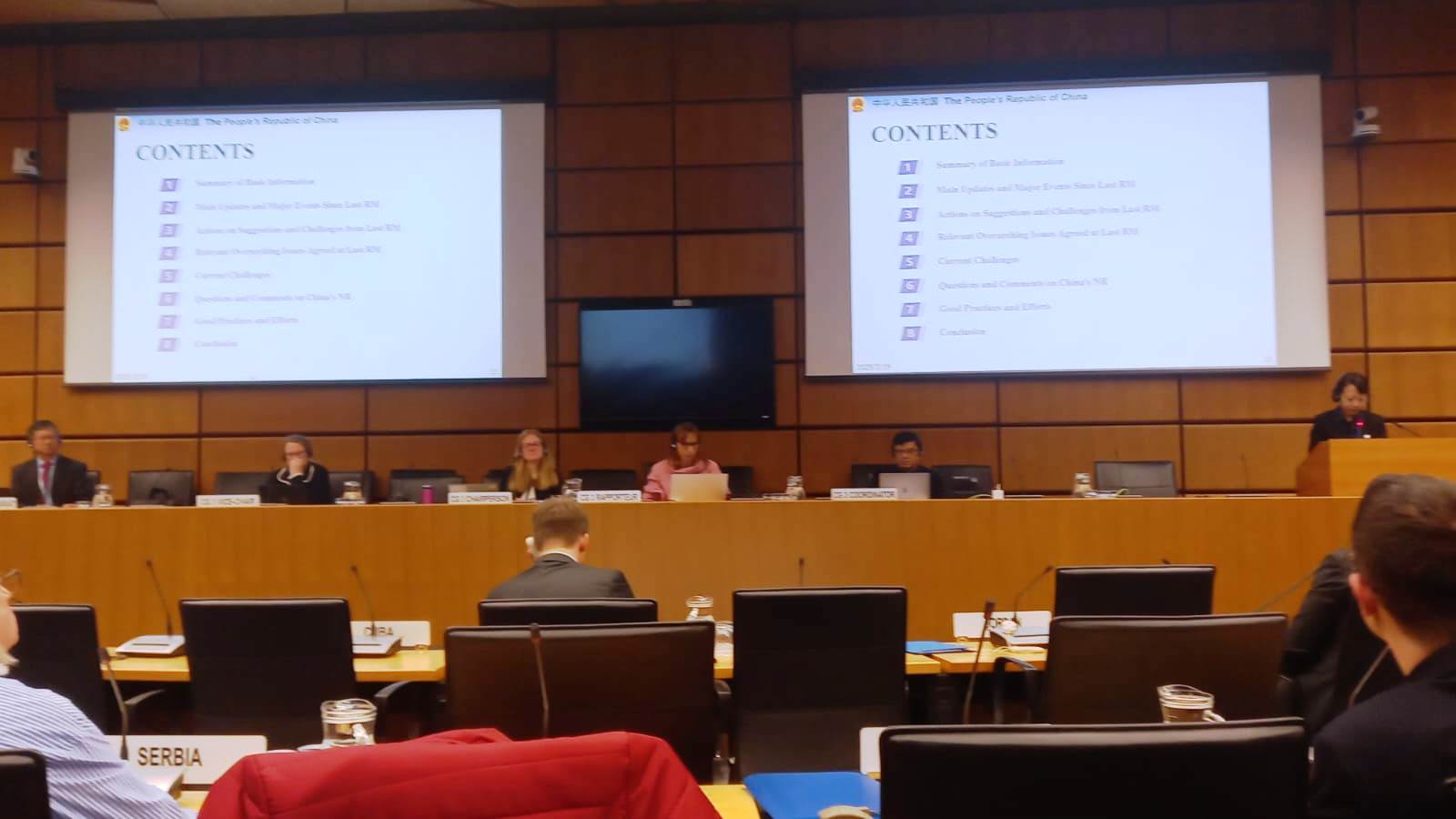
In the discussion session following the presentation, Indonesia received questions and responses from other countries regarding waste management strategies, including the timeframe for completion. One key aspect discussed was the handling of spent nuclear fuel, with options for repatriation or temporary storage. Furthermore, the management of disposed sealed radioactive sources (DSRS) and the transportation of radioactive waste were also addressed, taking safety into account.
Indonesia received suggestions and a "good performance" rating from the meeting. Two aspects deemed to have demonstrated good performance in waste management were the implementation of reuse in DSRS and public involvement in the development of regulations. These steps are expected to increase the transparency and effectiveness of radioactive waste and spent nuclear fuel management policies in Indonesia. [P2STPFRZR/PanduDewanto/BHKK/SP/Translator: GP]







Komentar (0)