
Public Consultation on the Strategic Environmental Assessment for NPP Policies, Plans, and Programs
Kembali 09 Desember 2025 | Berita BAPETEN | 9 lihat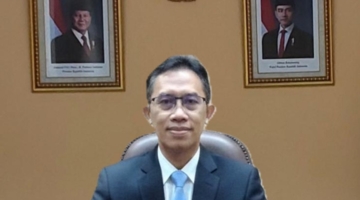
In preparation for the policies, plans, and programs (KRP) regarding the construction of nuclear power plants (NPP or PLTN) and in the implementation of Presidential Regulation Number 60 of 2019 on the National Policy and Strategy for Nuclear and Radiation Safety, as well as in reference to BAPETEN’s 2025-2029 Strategic Plan. BAPETEN has initiated a Strategic Environmental Assessment (KLHS) for the National Nuclear KRP. BAPETEN is collaborating with central and regional ministries and agencies comprising the KLHS Working Group (Pokja) for the Nuclear Power Plant KRP, as well as with Gadjah Mada University (UGM).
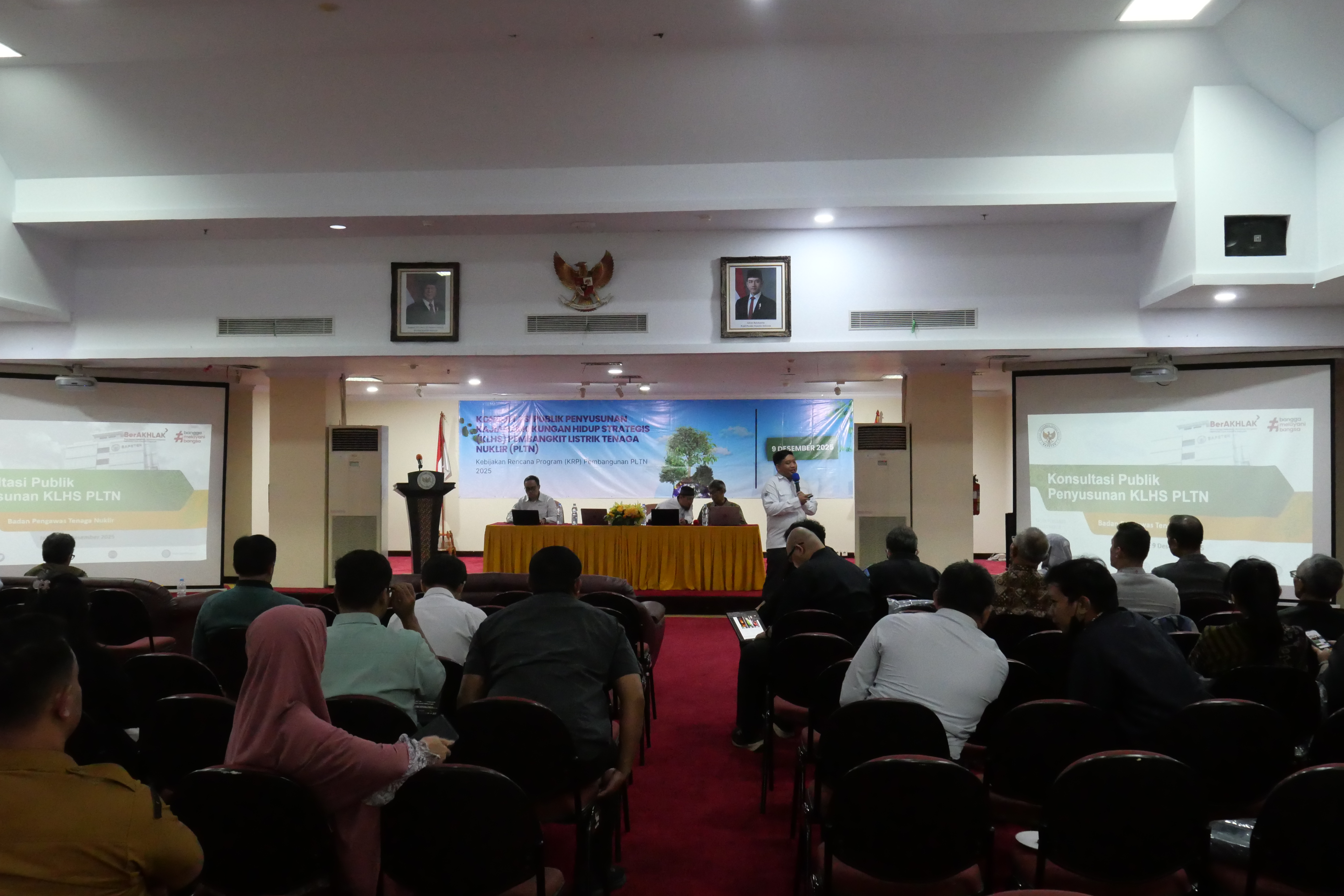
This public consultation aims to gather and incorporate aspirations, input, and views from various stakeholders; identify potential negative impacts of the planned construction at an early stage; and formulate recommendations regarding environmental considerations to inform strategic decision-making. The event was held in a hybrid format (both online and in-person) at the BAPETEN Auditorium in Jakarta on Tuesday, December 9, 2025.
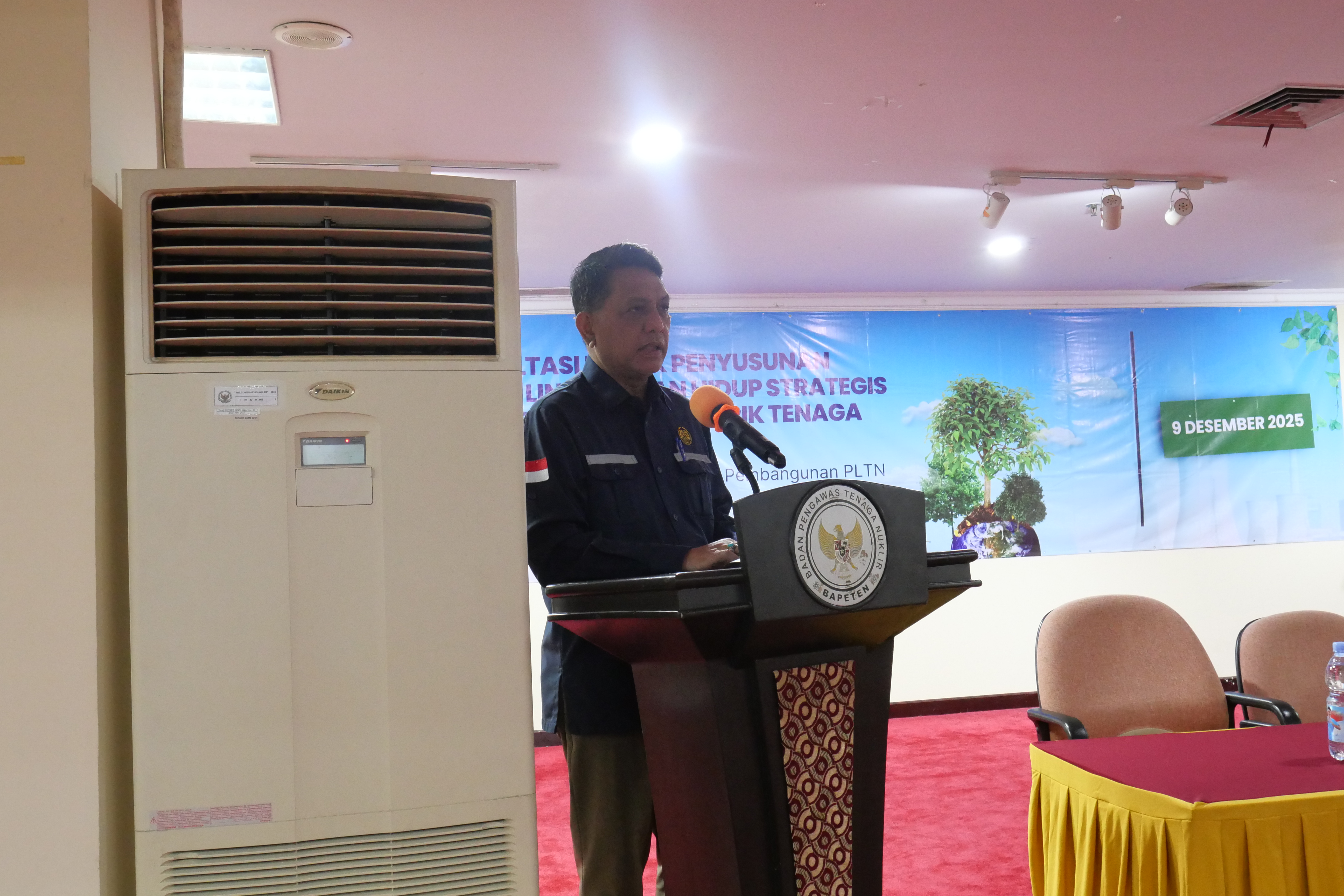
The event was opened by the lead of the Nuclear Power Plant KLHS Working Group, BAPETEN’s Deputy Chairman for Nuclear Safety Assessment, Haendra Subekti. He expressed appreciation for the collaborative efforts of the various ministries and agencies throughout the six-month KLHS drafting process. He emphasized that the Nuclear Power Plant KLHS serves as a strategic instrument to ensure the government is prepared to make data-driven decisions regarding nuclear power plant construction.
"The involvement of local governments and stakeholders from the very beginning is crucial. Site readiness, spatial planning, and public support form the foundation for ensuring that nuclear power plant construction is not only technically feasible but also socially acceptable. The KLHS is designed to accommodate cross-sectoral input, guaranteeing that the construction proceeds safely, in a measured manner, and in alignment with environmental protection goals," he asserted. “This Strategic Environmental Assessment (KLHS) document will serve as a foundation for preparing national policy recommendations regarding nuclear power plants (NPPs). By aligning the perspectives of various stakeholders, it is hoped that the transition toward an NPP development program will proceed more effectively, delivering significant benefits to communities in affected areas and bolstering national energy security as a whole,” he added.
The next address was delivered by Senda Hurmuzan Kanam, Director of New and Renewable Energy (EBTKE), representing the Director General of EBTKE. “The government has positioned nuclear energy as a strategic option for achieving national decarbonization targets. Under the latest energy policy, NPPs are no longer viewed as a ‘last resort’ but rather as an integral part of the low-carbon energy mix strategy, aligning with the Net Zero Emission target for 2060,” he stated.
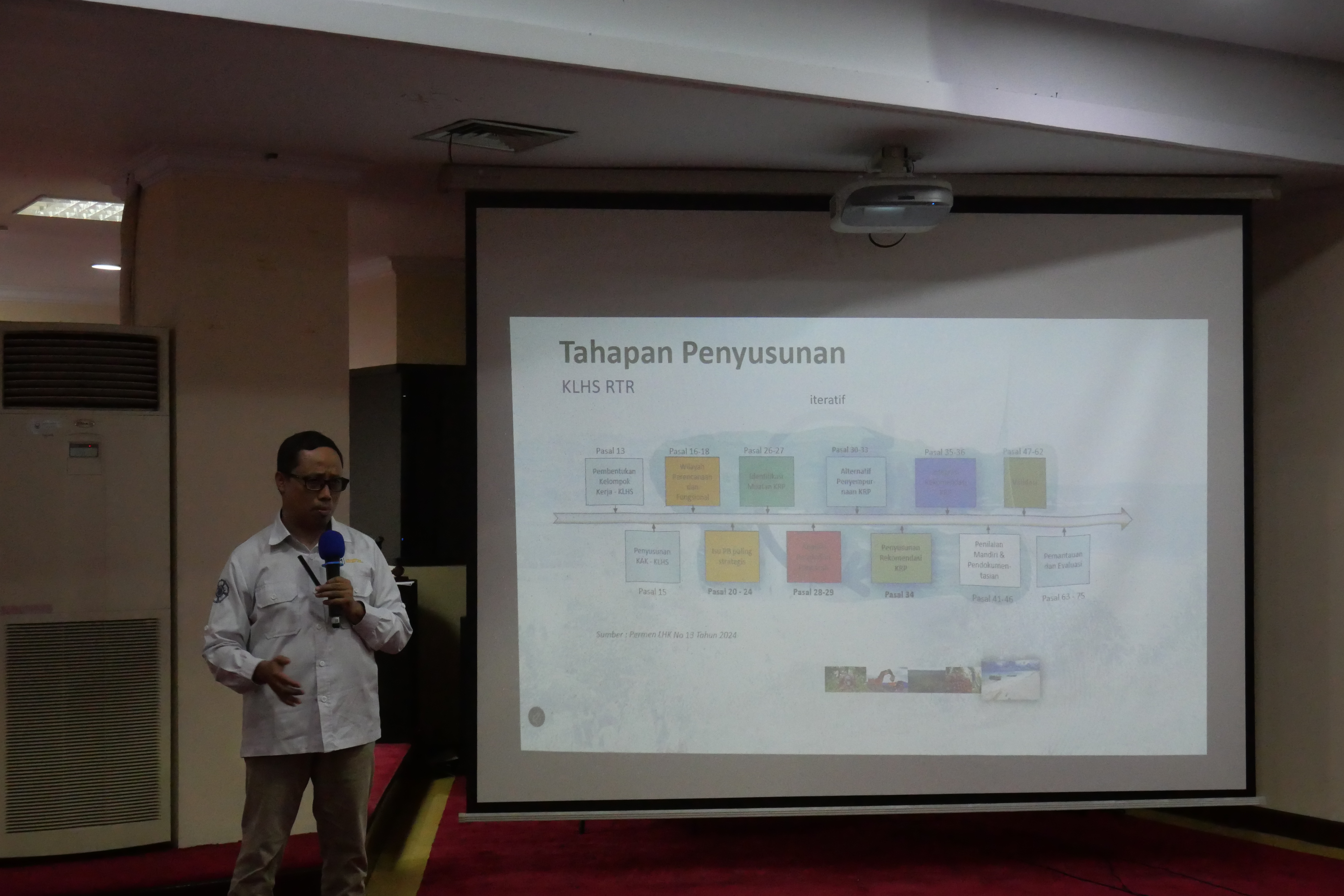
“Plans for NPP development are outlined in national strategic documents, including the National General Plan for Energy (RUKN) and the Electricity Supply Business Plan (RUPTL) for 2025-2034, which target the operation of the first NPP around 2032-2033 with an initial capacity of 250 MW. The government has also prepared a regulatory roadmap, ranging from finalizing the Draft Presidential Regulation on NPP Implementation Governance in 2025 and establishing the implementing organization in 2026 to site selection in 2026-2027 and the groundbreaking ceremony in early 2027,” he explained.
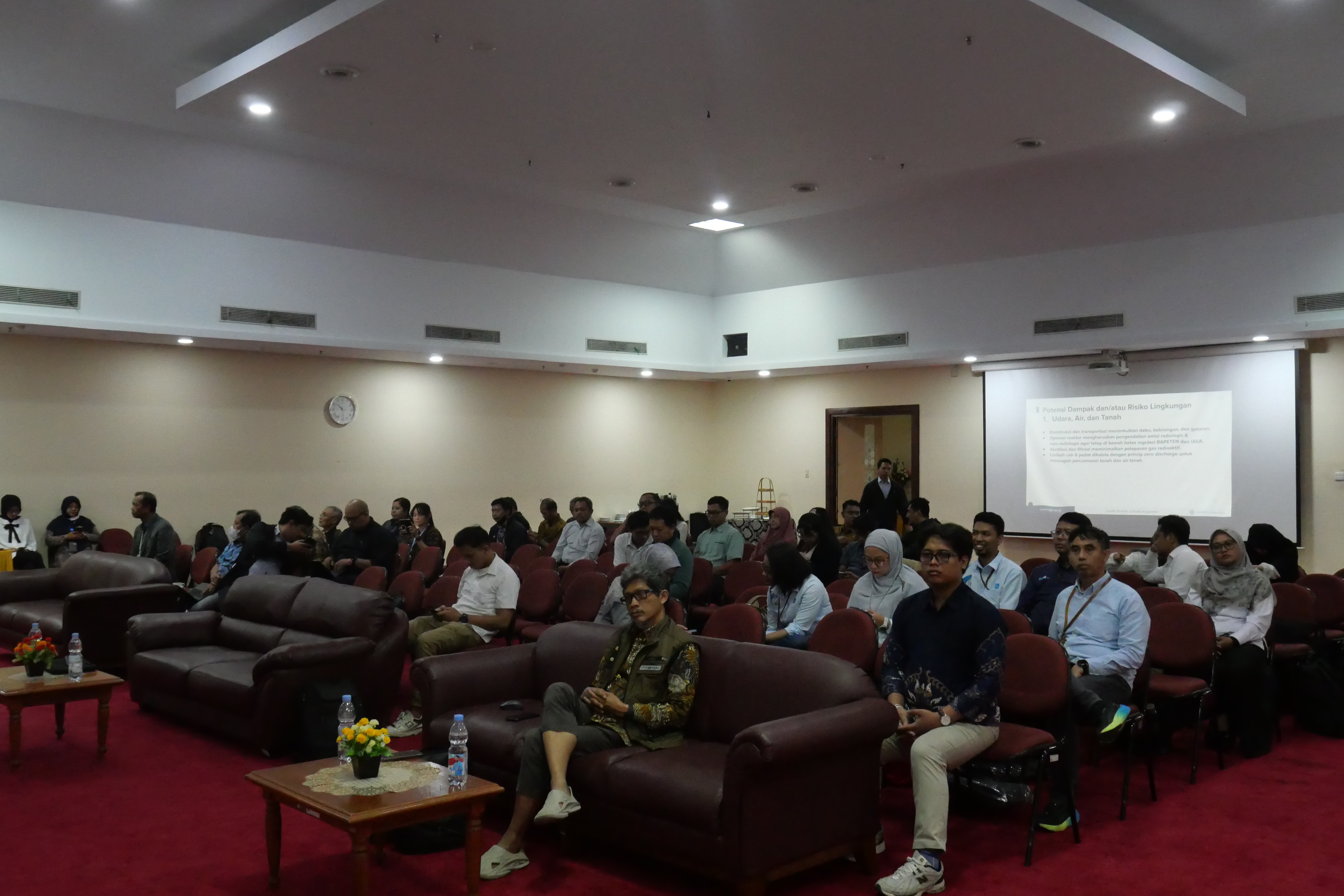
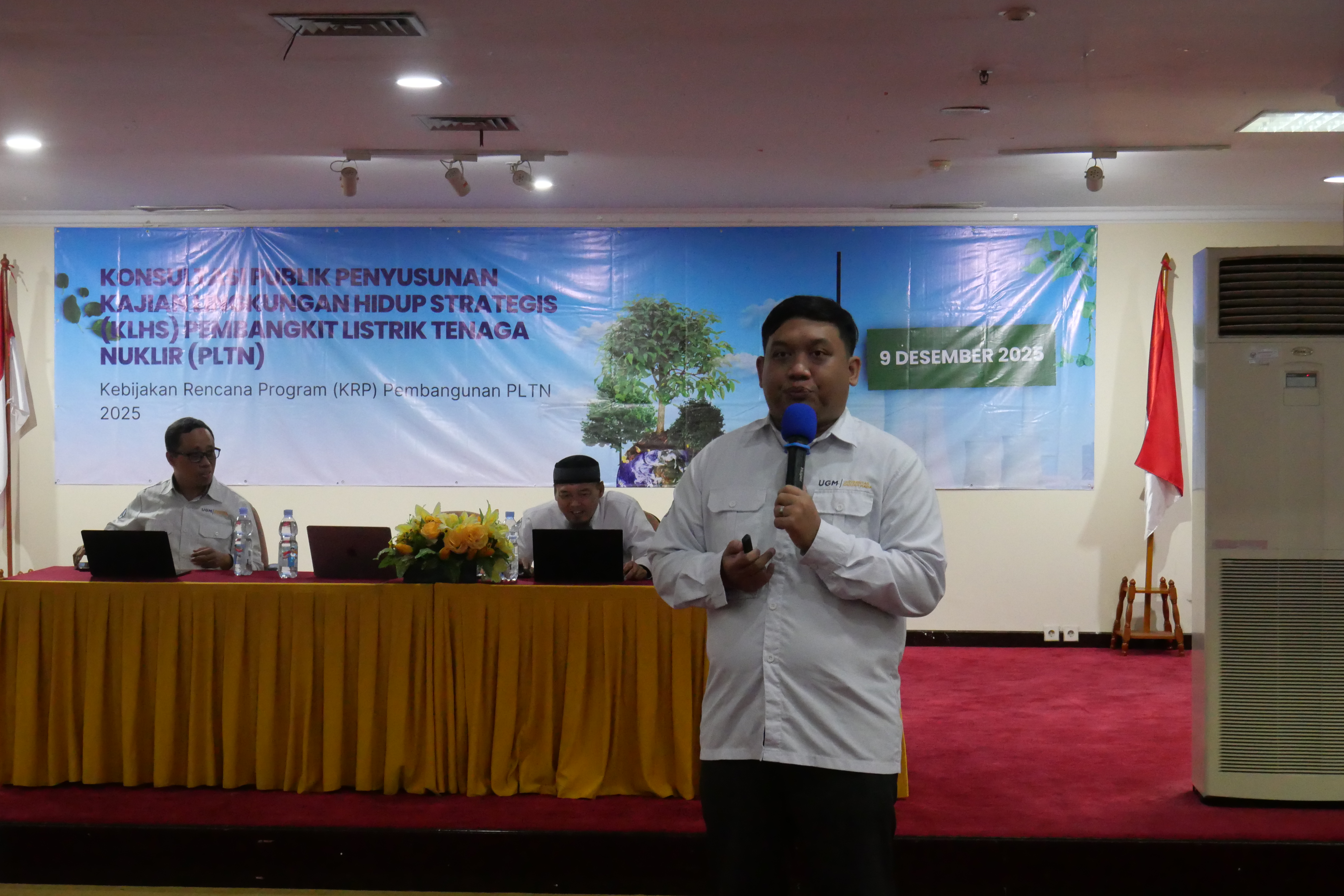
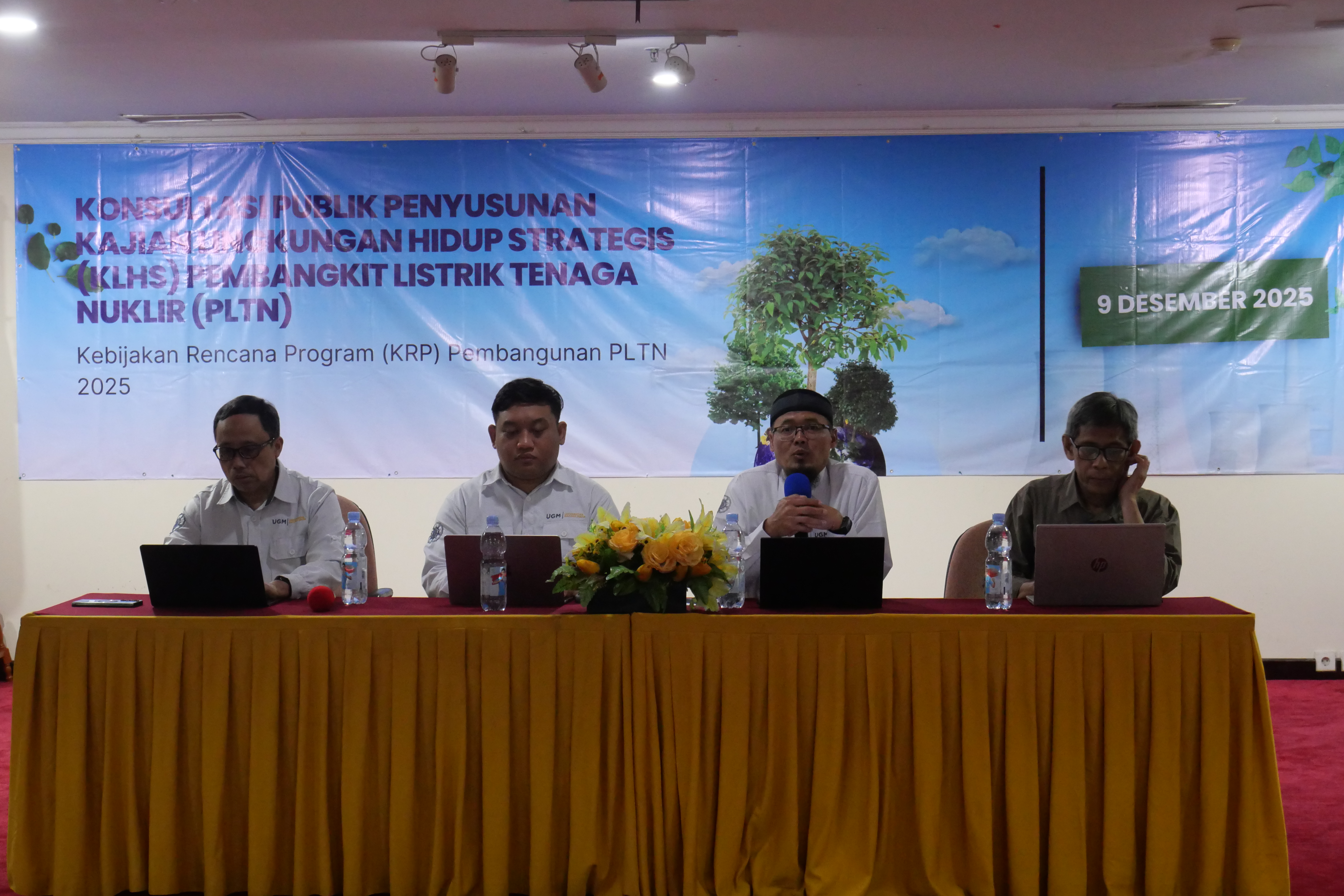
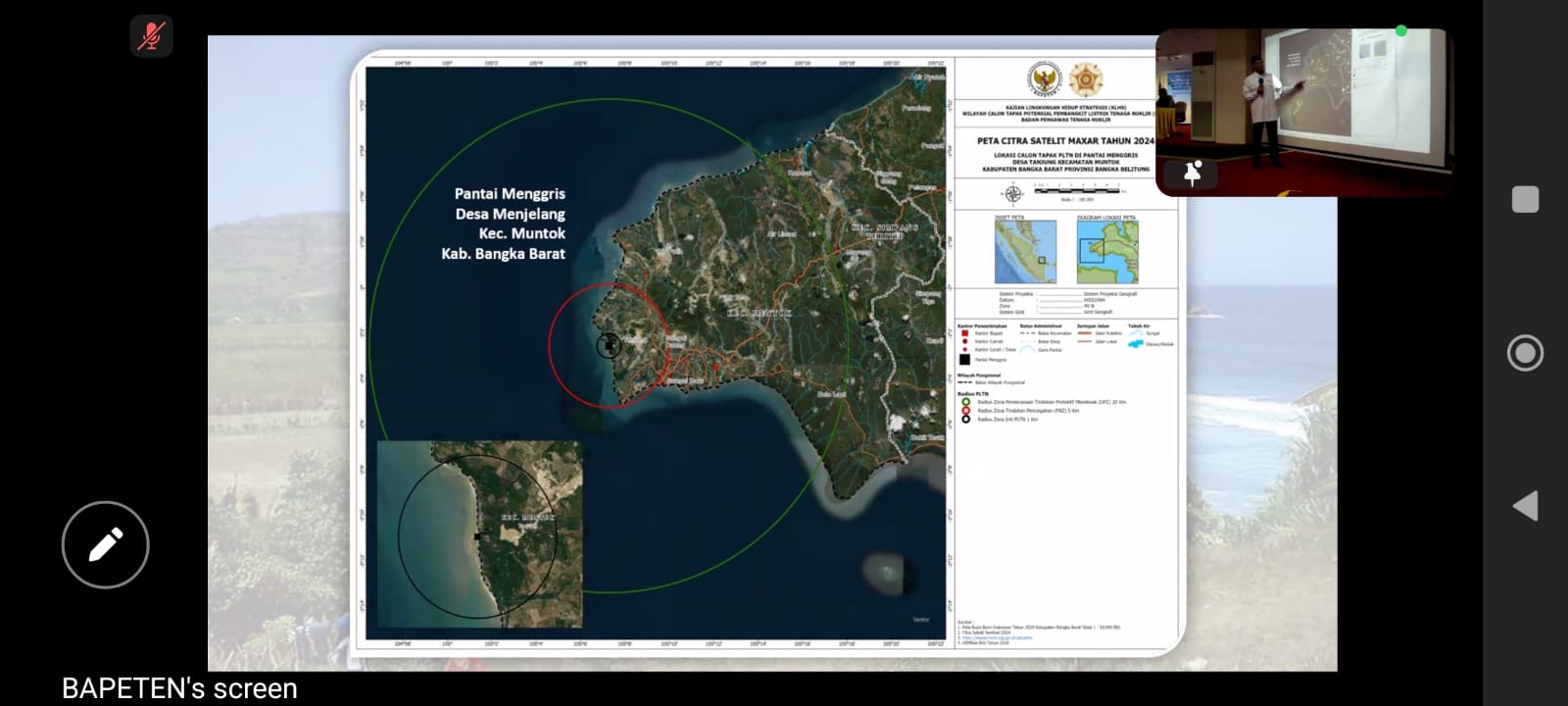
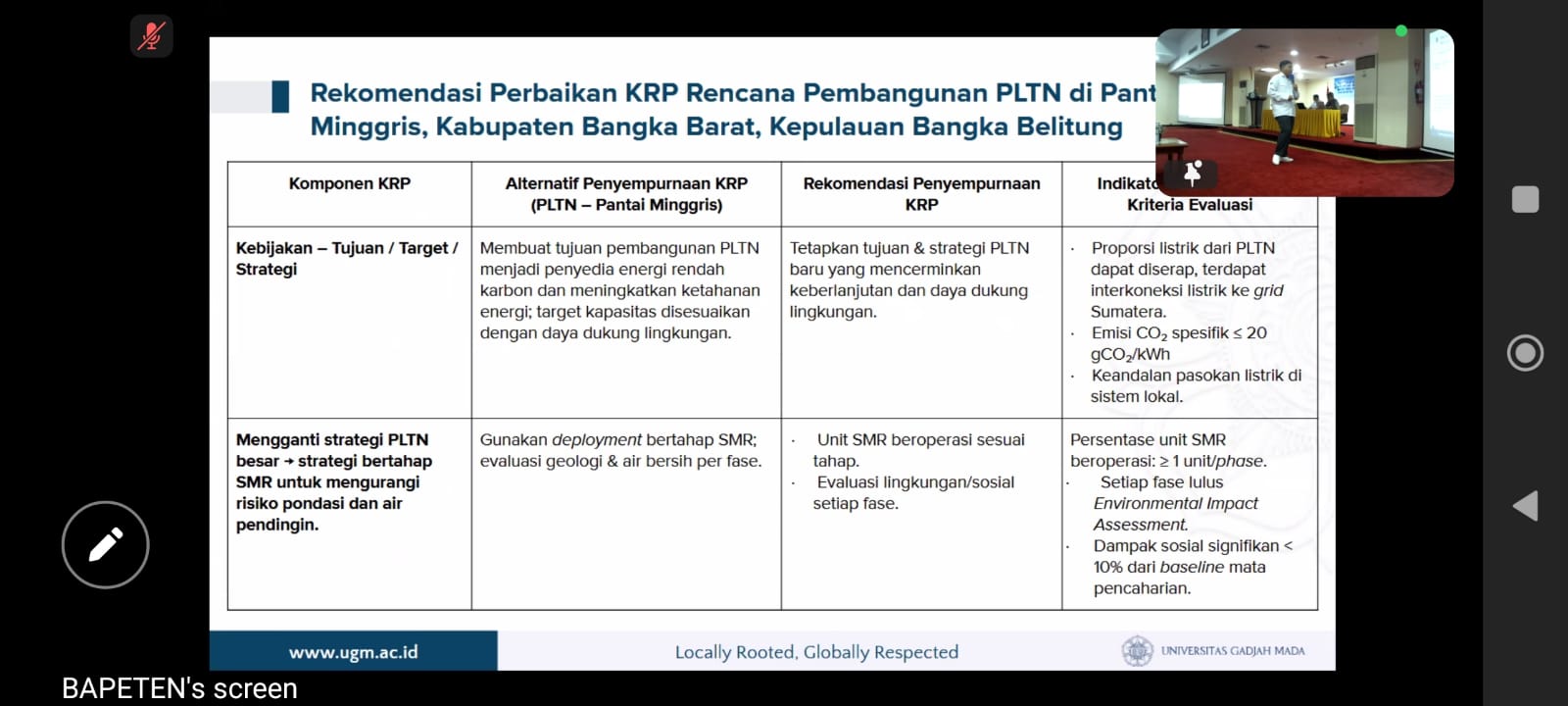
He added that NPP construction would only take place at sites that have undergone comprehensive assessments regarding safety, geology, spatial planning, and environmental readiness. Sites that have long been under study, such as South Bangka, West Bangka, and Gosong Beach in West Kalimantan, serve as primary references for the initial phase. “NPPs will form a crucial foundation for Indonesia’s clean, independent, and sustainable energy future,” he concluded. The event, attended by various stakeholders from central, provincial, and regency governments as well as research institutions, proceeded with presentations by experts from the UGM Faculty of Geography, including the Head of the UGM Strategic Environmental Assessment (KLHS) Team, Langgeng Wahyu Santosa, along with Radiation and Nuclear Safety Expert Andika Yudha Prawira and Environmental and EIA Expert Ahsan Nurhadi.
During the discussion session, participants raised questions and offered input regarding the findings of the Strategic Environmental Assessment for potential nuclear power plant sites in Bangka and Bengkayang.
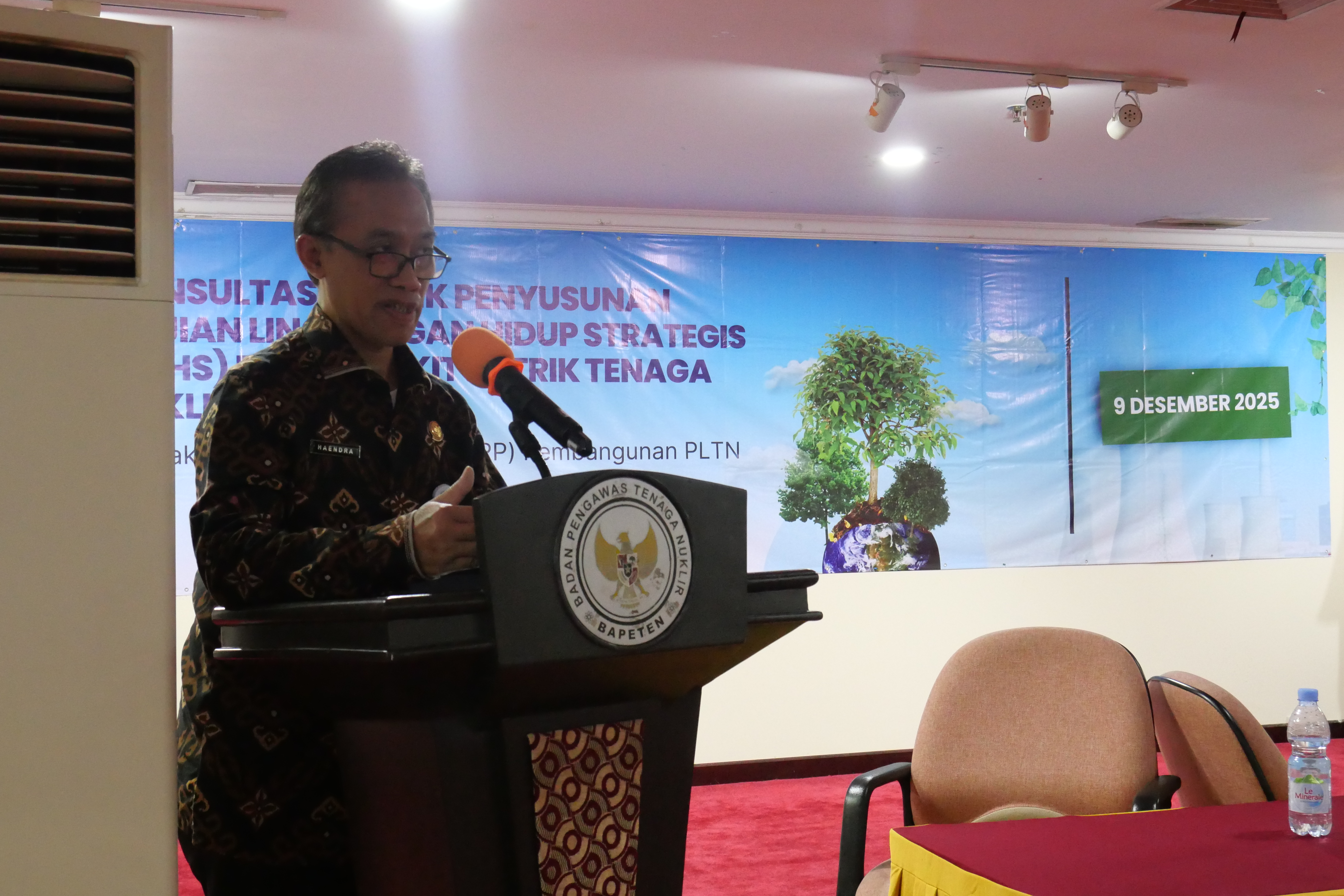
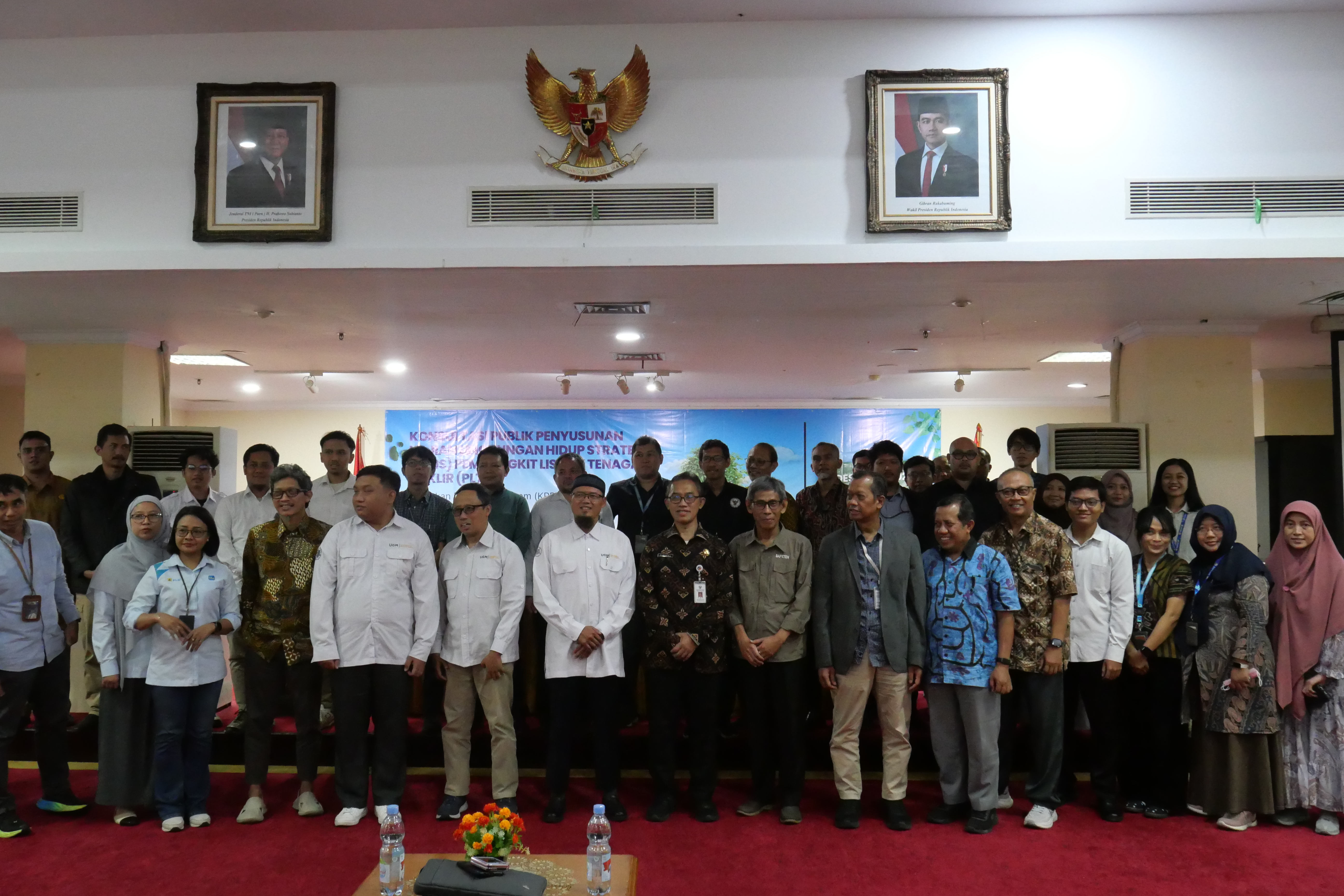
The event was concluded by Haendra Subekti, Head of the Working Group on the Strategic Environmental Assessment for Nuclear Power Plants and Deputy Chairman for Nuclear Safety Assessment at BAPETEN, who expressed appreciation for the active participation of all attendees. He emphasized that this activity represents an initial step toward strategic decision-making, making every input a vital component in refining the KLHS. He also highlighted that the KLHS drafting process is a new experience for BAPETEN and requires continued strengthening through cross-sector collaboration.
“It is expected that the drafting of the KLHS for other potential sites can also be carried out using a similar collaborative approach, ensuring Indonesia is fully prepared for the phased development of nuclear power plants. May this spirit of cooperation be sustained, and may we all contribute to realizing the development of nuclear power plants that are safe, of high quality, and provide maximum benefits to the public,” he stated. [BHKK/SP/Translator: GP]








Komentar (0)