Public Consultation on the Urgency Paper for Radiation Safety in Non-Medical Human Screening
Kembali 05 November 2025 | Berita BAPETEN | 20 lihat
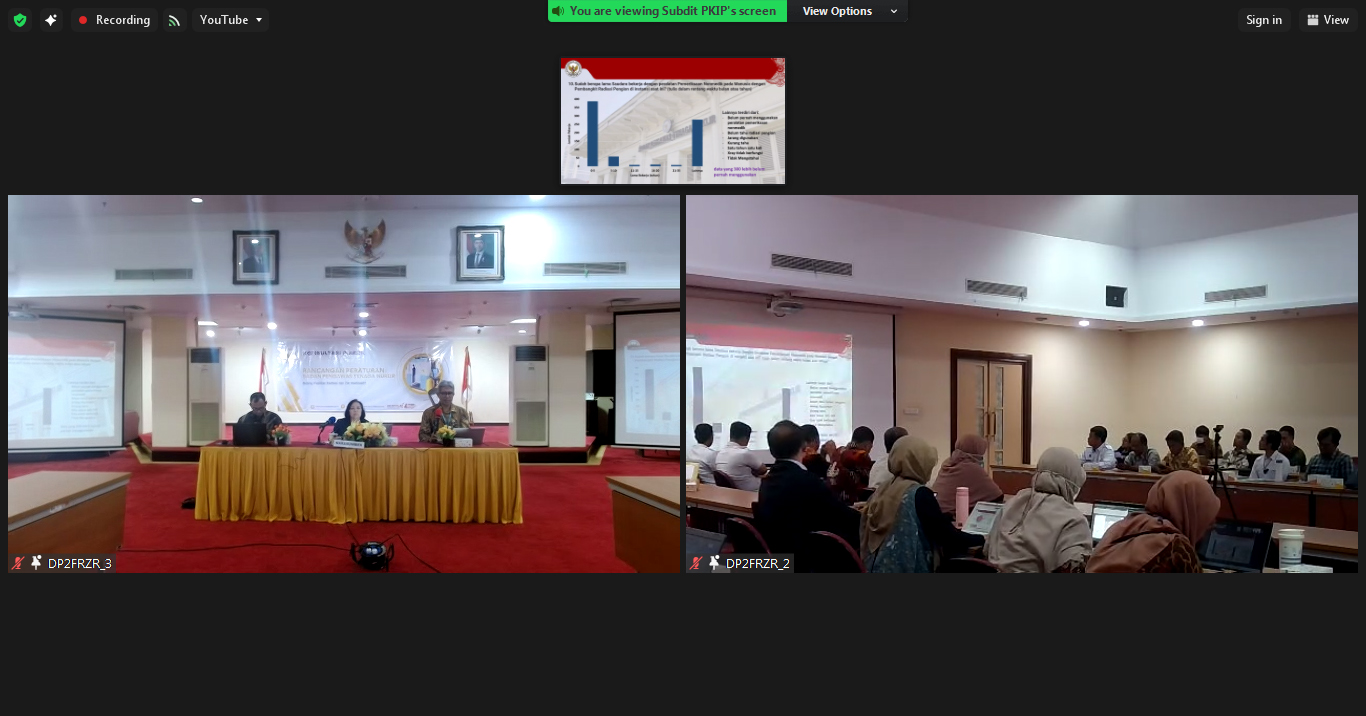
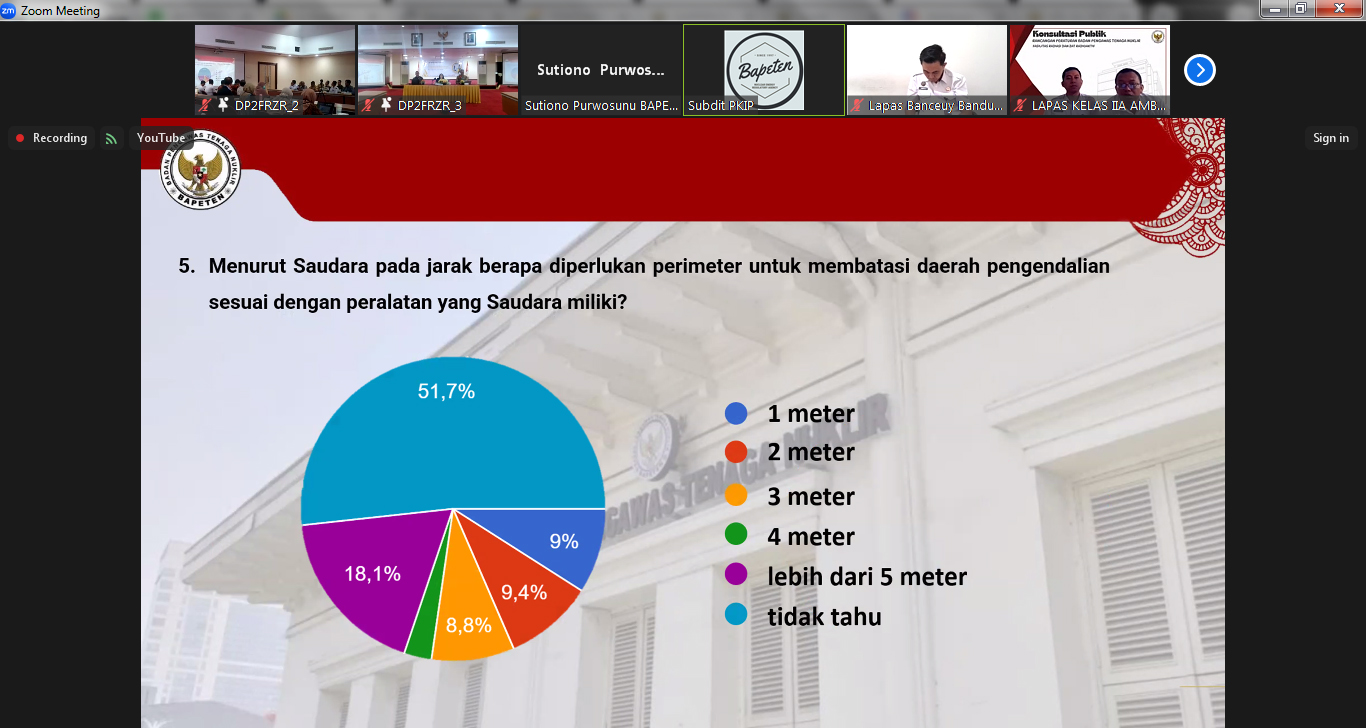
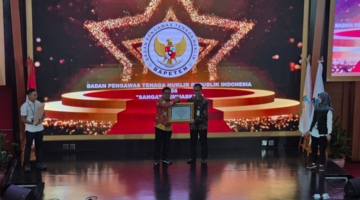
The Nuclear Energy Regulatory Agency (BAPETEN), through the Directorate of Regulation of Radiation Facilities and Radioactive Materials (DP2FRZR), held a public consultation on Wednesday, November 5, 2025, conducted both online and offline, regarding the drafting of an urgency paper for a BAPETEN regulation on radiation safety in non-medical human screening using ionizing radiation generators.
The event aimed to gather input from stakeholders to strengthen the regulatory framework for radiation safety regarding the use of ionizing radiation-generating equipment for non-medical human screening across various government agencies, such as airports, seaports, and correctional facilities.
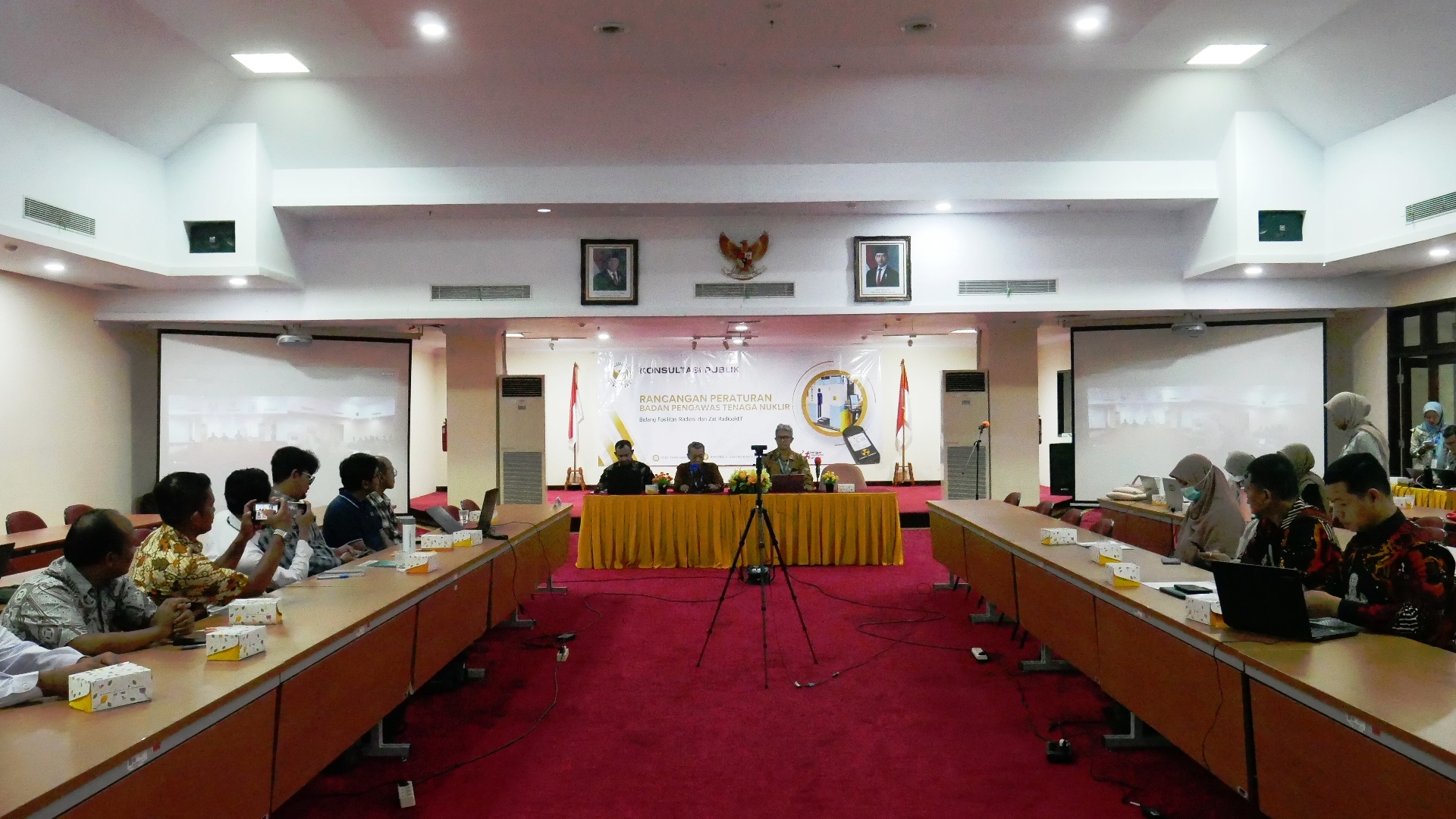
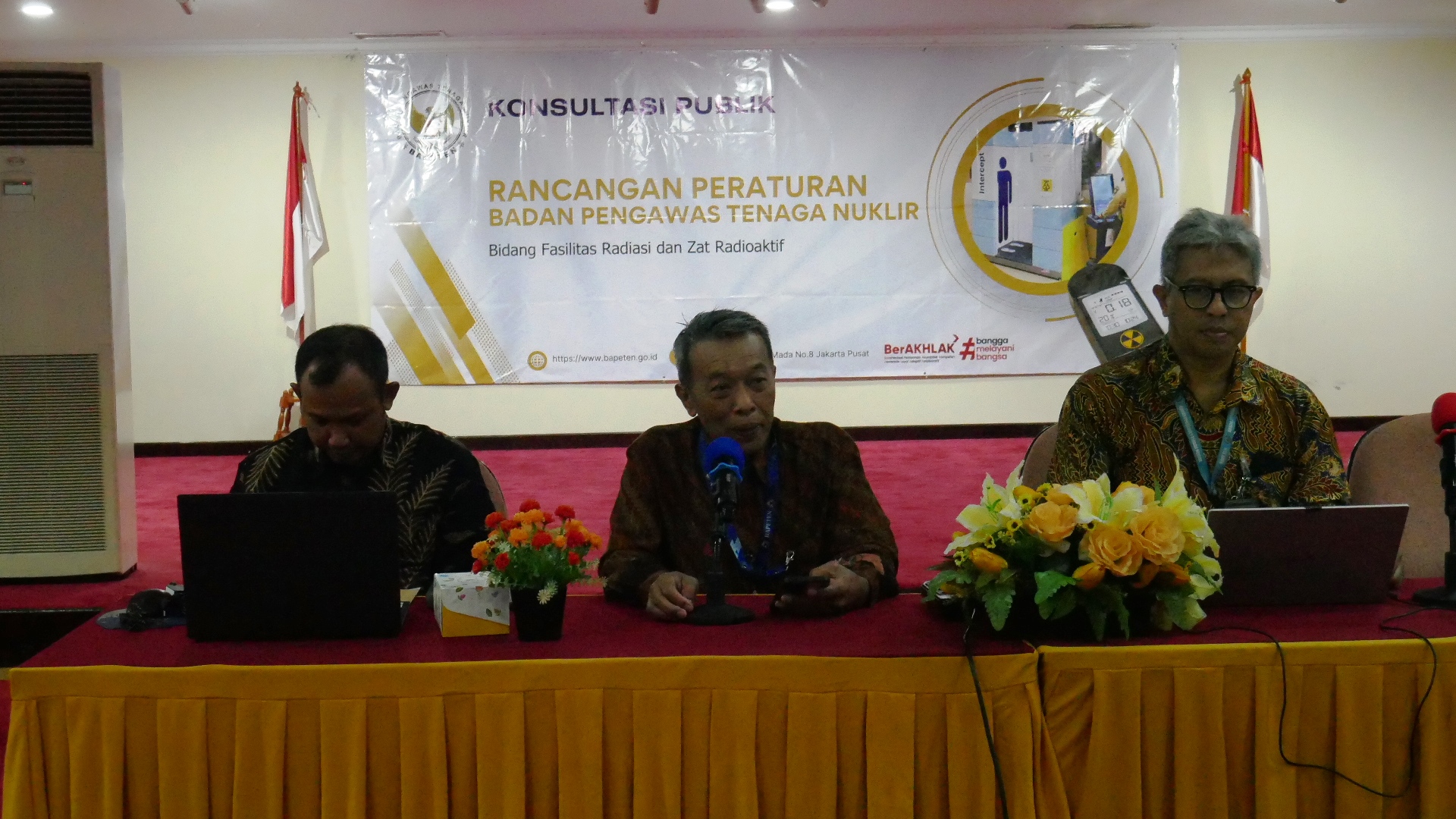
The event commenced with opening remarks by the Acting Director of Regulation of Radiation Facilities and Radioactive Materials at BAPETEN, Soegeng Rahadhy. In his opening address, he highlighted the rapid advancement of human body detection and scanning technologies, which are now widely used outside the medical field. He emphasized that the use of ionizing radiation equipment for non-medical human screening requires a solid understanding of radiation safety aspects for both the operators and the members of the public undergoing the screening.
"This public consultation serves as a crucial step in gathering stakeholder input and building a shared understanding regarding the importance of radiation safety in the application of this technology, without compromising the effectiveness of security functions and public services," he stated.
"This activity aims to achieve three key outcomes: establishing a shared understanding among agencies regarding potential radiation exposure and mitigation measures; obtaining substantive input on the urgency paper to ensure the resulting regulation is practical, aligned, and effectively implementable; and fostering cross-sectoral synergy among equipment-using agencies, BAPETEN, and equipment providers to build a culture of radiation safety," he added. “We also hope that this public consultation yields constructive recommendations for drafting regulations that ensure safety, security, and legal certainty regarding the use of ionizing radiation-generating equipment for non-medical human imaging in Indonesia,” she concluded.
The event proceeded with a presentation and discussion session moderated by Dahlia Cakrawati Sinaga, a principal radiation inspector at BAPETEN. The first presentation was delivered by Dwihardjo Rushartono, a radiation inspector and lead of the team drafting the urgency paper. He explained that non-medical human imaging is conducted for security rather than medical purposes; therefore, it must be strictly regulated to ensure the protection of exposed individuals.
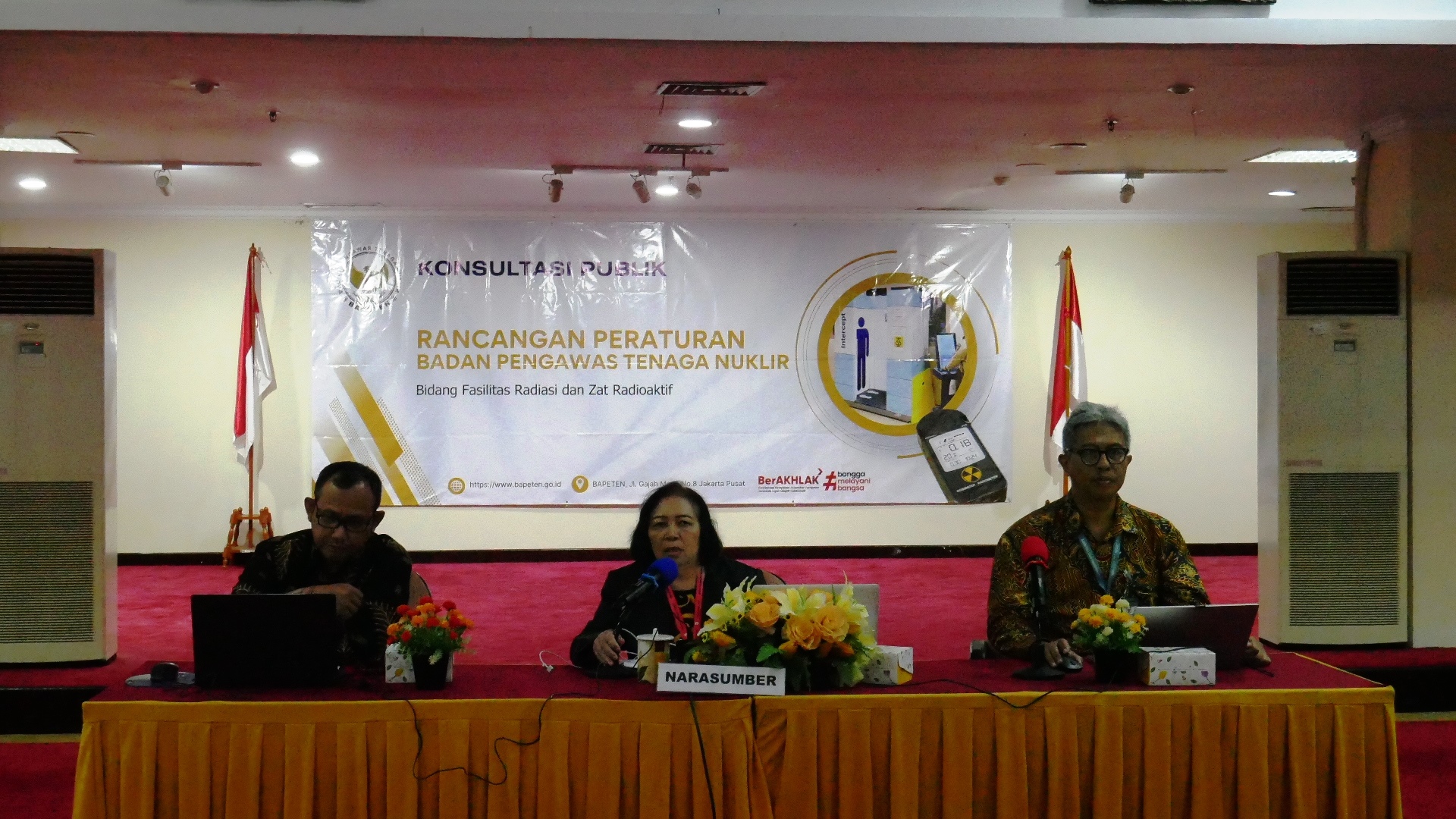
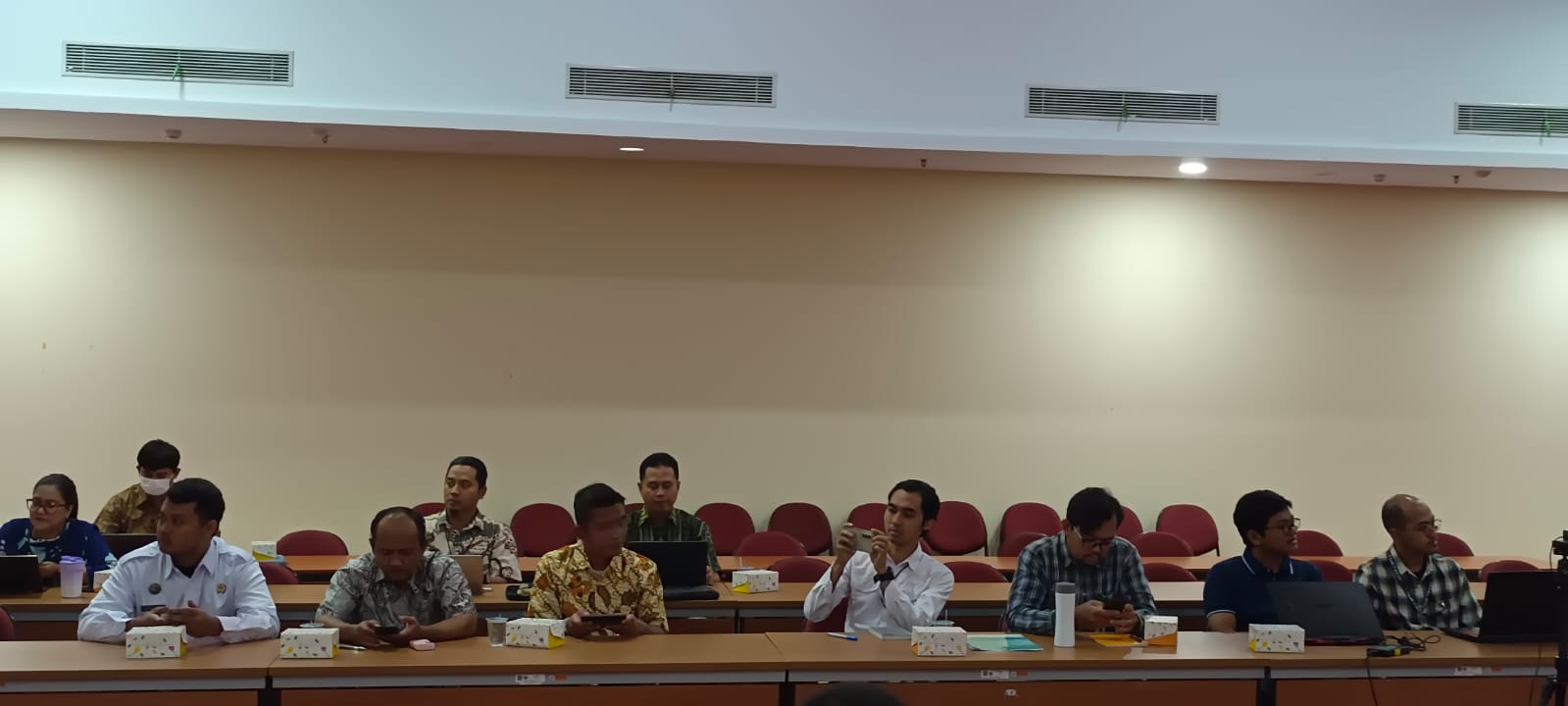
“This urgency paper will serve as the foundation for drafting regulations that prioritize radiation protection and safety principles,” he stated.
The next presentation was delivered by Aris Triyanto from the Directorate of Security and Intelligence at the Ministry of Immigration and Correction of the Republic of Indonesia, who explained the implementation of X-ray equipment in correctional facilities for contraband detection. He emphasized the need to balance security functions with radiation safety, as well as the importance of operator training, equipment calibration, and regular coordination with BAPETEN.
The final presentation was given by Dudi Nopiadi from the Directorate of Aviation Security at the Ministry of Transportation of the Republic of Indonesia. He affirmed that, in accordance with Directorate General of Civil Aviation (DGCA) Regulation No. 12 of 2024, body inspection machine technology used in Indonesia must utilize non-ionizing radiation technology (such as millimeter-wave systems like WTMDs, HHMDs, and body scanners) to ensure safety for both personnel and passengers.
“The technology currently in use complies with international standards and poses no risk of ionizing radiation,” he explained.
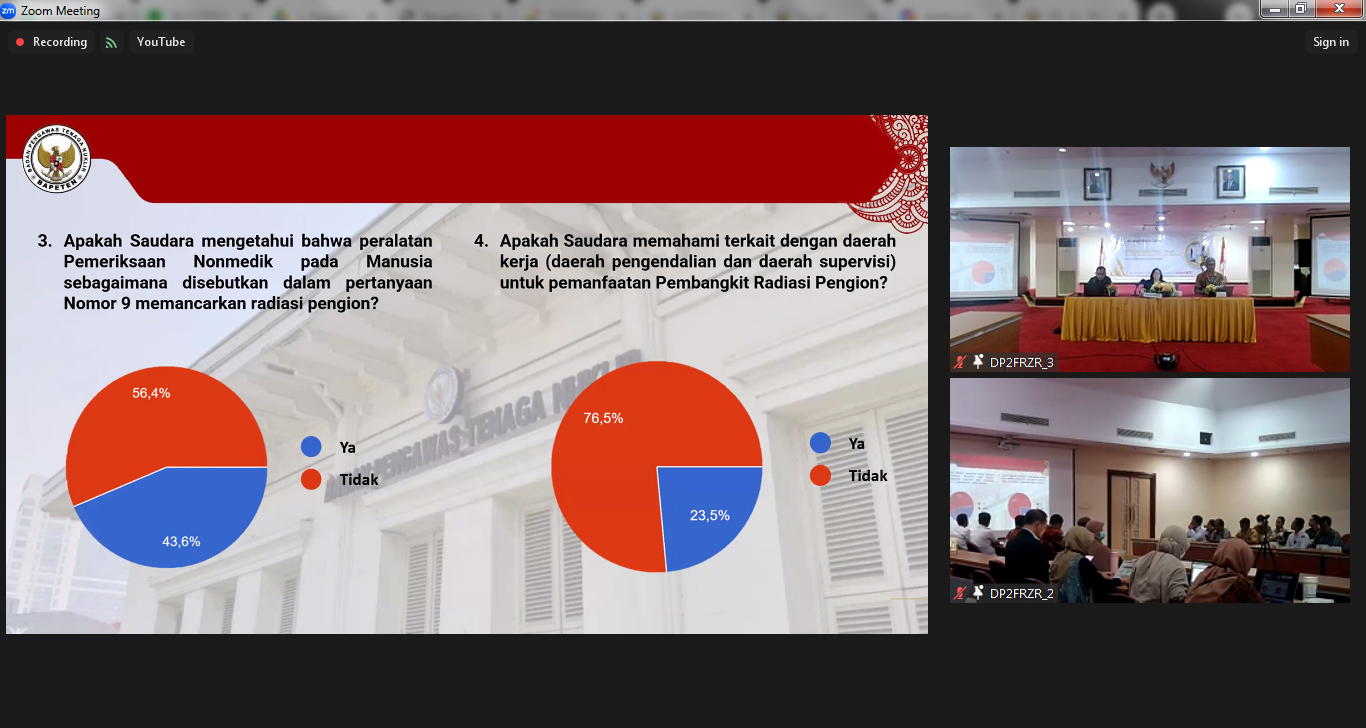
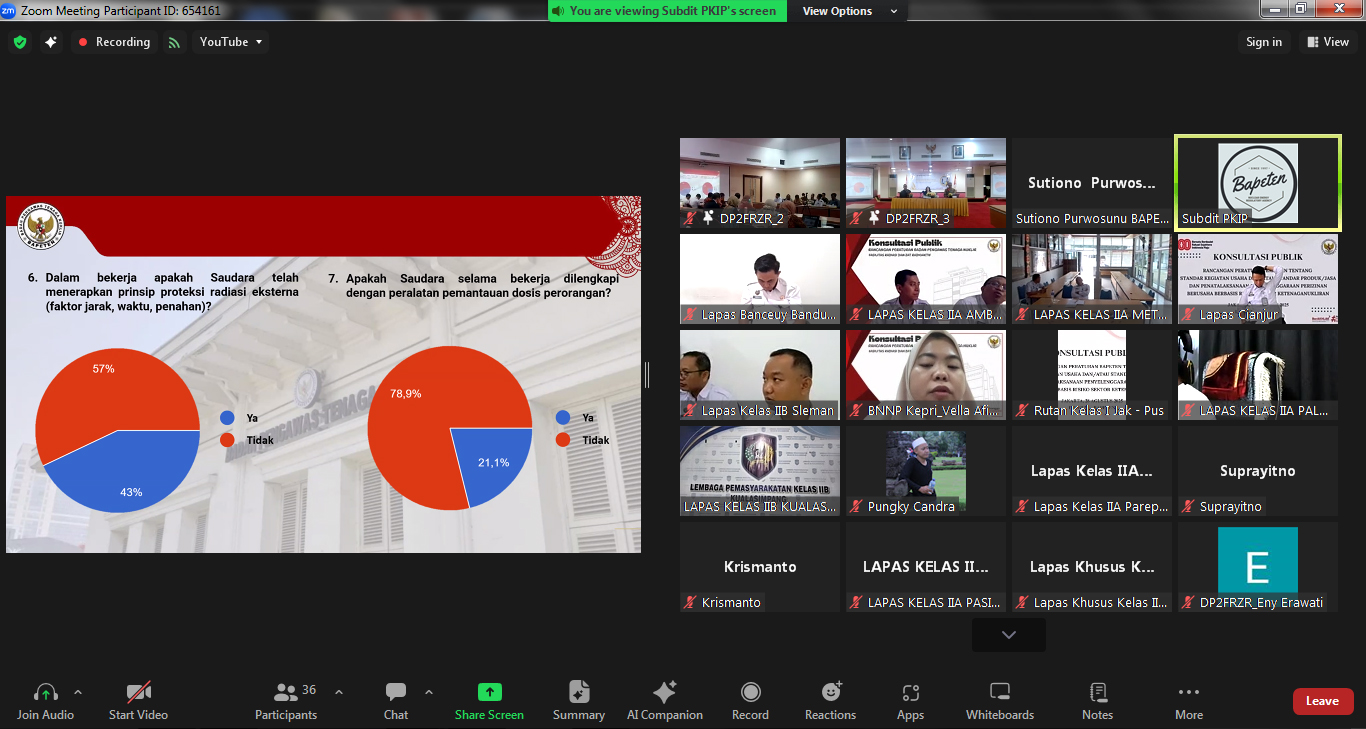
A dynamic discussion ensued, featuring various inputs from participants regarding the need for disseminating radiation safety regulations, updating Standard Operating Procedures (SOPs), conducting operator training, and fostering inter-agency coordination. Participants also highlighted the necessity of periodic safety audits and robust on-site radiation protection systems to maintain a balance between security requirements and public safety.
The event concluded with closing remarks from the Acting Director, Soegeng Rahadhy, who expressed appreciation for the active participation of all attendees. He stated that BAPETEN is committed to ensuring that any use of radiation-based technology adheres to the principles of safety, security, and public protection. [BHKK/SP/Translator: GP]









Komentar (0)